
Reviewed · MADEIRA
Funchal: Sacred Art Museum of Funchal Entry Ticket
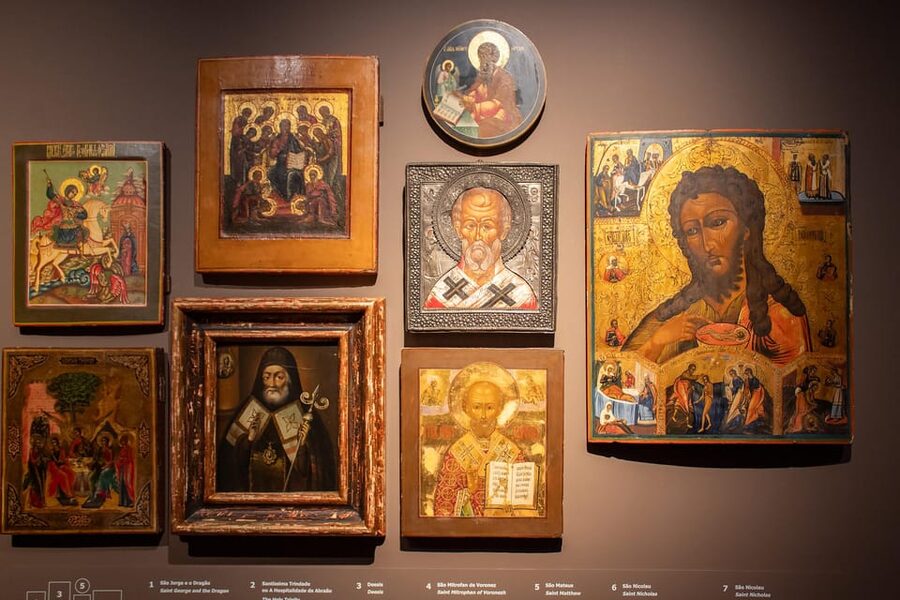
Religious art in Funchal comes with real perspective. I like that the Sacred Art Museum focuses on Portuguese religious works across centuries, from painting and sculpture to sacred silver and textiles. One smart thing to weigh first is whether you want a guided tour or a self-guided stroll.
My second favorite part is the setting. The building is described as beautiful, and the terrace view can turn the visit into more than just museum time. If you book the wrong option, you might end up without the live guide experience.
In This Review
- Key highlights to look for
- Sacred Art in Funchal: why this museum ticket feels worth it
- What you’ll see in about 50 minutes, painting, sculpture, textiles
- Portuguese religious painting
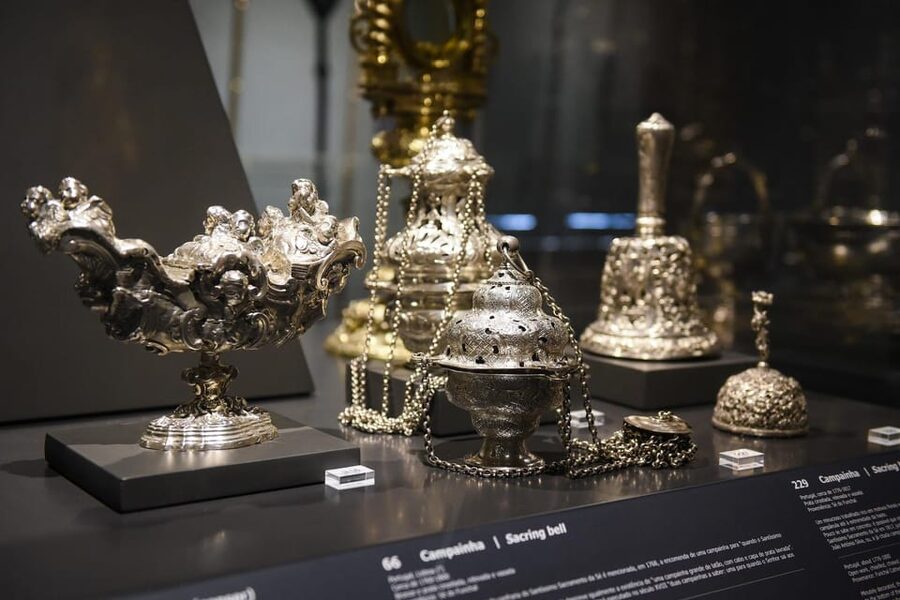
- Sculpture and sacred metal
- Religious vestments and textiles
- The art-history storyline, Gothic to Baroque and Renaissance humanism
- Self-guided vs guided tour: make sure you pick the right option
- Self-guided visit
- Guided tour option
- The building and terrace: the part you might not plan for
- Price and value: why about $11 can work well
- Practical timing tips so the museum fits your Madeira day
- Who this museum ticket is best for
- Should you book the Sacred Art Museum of Funchal ticket?
- FAQ
- FAQ
- How long is the Sacred Art Museum of Funchal visit?
- What is the price of the museum ticket?
- Is the museum visit self-guided or guided?
- What languages are available for the guided tour?
- Does the price include entrance to the museum?
- What does the museum collection focus on?
- What time period does the Portuguese painting and sculpture cover?
- Is there a terrace or outdoor viewing area?
- Do Madeira residents have special pricing?
- Is free cancellation offered?
Key highlights to look for
- Chronological art path from Gothic to Baroque
- Portuguese painting and sculpture from the 15th to the 18th century
- Sacred objects close up, including sacred silver and religious vestments and textiles
- Free visit or guided tour option, with live interpretation if selected
- Short, focused visit planned around about 50 minutes
- Terrace and architectural details that add time and atmosphere
Sacred Art in Funchal: why this museum ticket feels worth it
Funchal can be all sunshine, cable cars, and ocean views, which is fun. But when you want something calmer, this museum gives you a different Madeira mood. It’s centered on religious art tied to the island’s past, so you’re not just looking at objects, you’re also seeing how beliefs shaped culture over time.
I like that the museum is built for an easy hit. You’re not trying to conquer a huge building. The visit is designed around a short window, so you can fit it between sightseeing blocks without your day turning into a sprint.
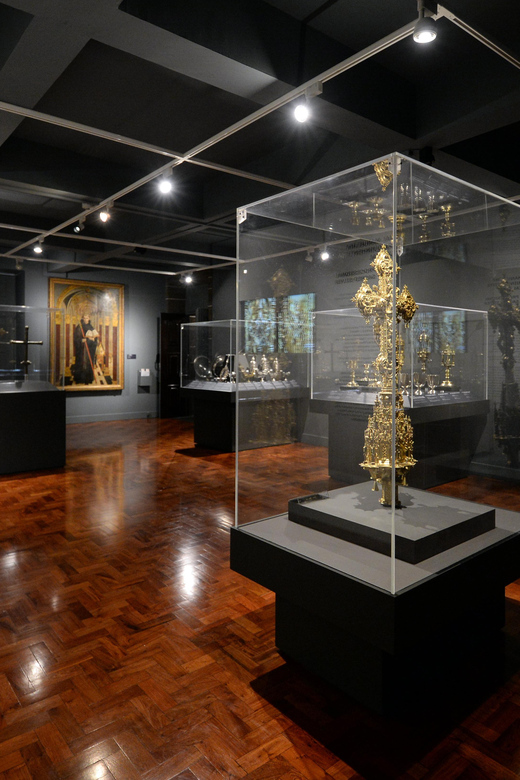
The other thing I appreciate is the mix of materials. Many art stops skew only toward paintings. Here you’ll also find sculpture, sacred silver, and religious textiles, which helps the story feel more complete. If you like when an exhibit shows the full range of what people made and used, not just what they painted, you’ll probably enjoy this.
More ways to spend a day in Funchal
- 3D Fun Art Museum Funchal
★ 5.0 · 178 reviews - Madeira: Private Cristiano Ronaldo Tour with CR7 Museum
★ 5.0 · 38 reviews - Cristiano Ronaldo Guided Tour with Tickets to CR7 Museum
★ 4.8 · 17 reviews
What you’ll see in about 50 minutes, painting, sculpture, textiles
The museum’s core theme is Madeira religious art, with collections spanning five centuries. In plain terms, that means you get a focused slice of what Portuguese religious culture looked like as time changed. The highlights are the painting and sculpture collections covering roughly the 15th to the 18th century.
Here’s how the visit typically reads in your mind as you move room to room:
Portuguese religious painting
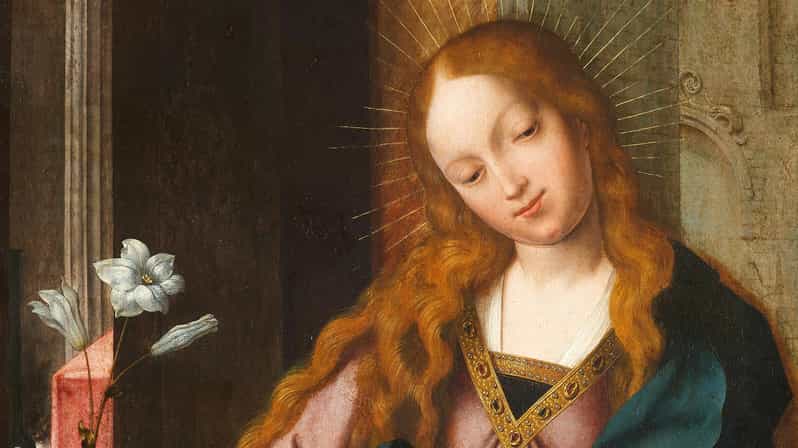
You’ll see works that reflect shifting styles, not just religious themes. Even if you don’t know art history terms, the differences in form and expression are usually visible. That matters because the museum doesn’t treat art like museum decoration. It frames it as cultural communication.
Sculpture and sacred metal
Religious sculpture can feel unusually “present,” because it occupies space and shape in a way flat art can’t. Add sacred silver to that, and the exhibit becomes about craft as much as iconography. The museum’s ability to include these objects is one reason it feels different from a standard painting-only stop.
Worth booking before you land:





Religious vestments and textiles
Textiles can be easy to overlook in a big museum. Here, they’re part of the point. Religious vestments and other textiles help you understand how devotion lived in daily rituals, not only in grand artworks. If you enjoy details like fabric texture, decoration style, and how pieces were made to be used, you’ll likely find this part satisfying.
One practical note: because the visit is timed around about 50 minutes, you may have to choose your pace. If you like reading every label slowly, allow extra time for breaks. If you’re happy with a quicker scan, you can stay on schedule and still see the main collection.
The art-history storyline, Gothic to Baroque and Renaissance humanism
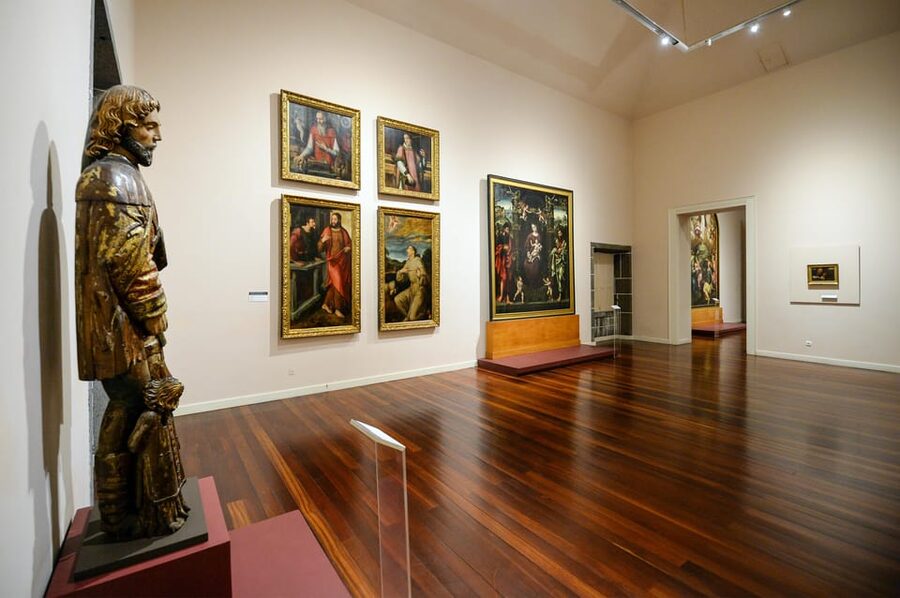
What makes this museum especially engaging is its structure. The museum uses a chronological approach, so you can track how expression changes. You’re not just looking at one “style.” You’re watching style evolve.
You’ll move from Gothic into Baroque, and the museum ties that shift to broader artistic influences, including Renaissance Humanism in Flemish and Italian art. Even if you’re not a history person, you can still feel the difference in how subjects are portrayed.
Here’s the kind of change you can look for as you go:
- How figures and scenes become more dramatic over time
- Whether faces, gestures, and overall mood shift toward more emotional realism
- How artistic influence shows up through technique and composition
If you like exhibits that teach you something without making it feel like a lecture, this setup works well. It’s the difference between randomly seeing objects and understanding why they’re arranged the way they are.
Self-guided vs guided tour: make sure you pick the right option
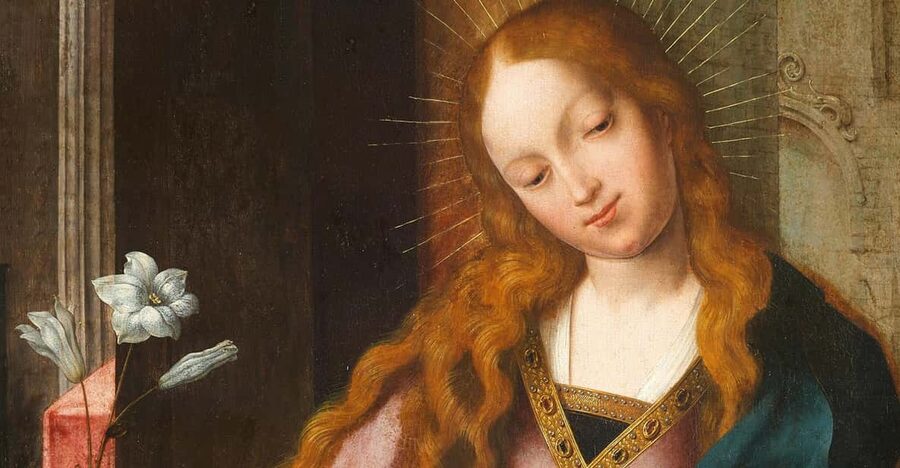
You have two paths: a free self-guided visit or an option that includes a guided tour. Both can work, but the “right” choice depends on what you want from the time.
Self-guided visit
Self-guided is great if you like to:
- Move at your own pace
- Spend longer on the objects that grab you
- Read selectively and keep your momentum
Because the museum visit is planned for about 50 minutes, self-guided works best when you don’t need deep explanations for every room.
Guided tour option
The guided tour includes a live guide, offered in Portuguese and English, and the group is small. This is where the museum can feel more vivid. One standout from a top-rated experience is how passionate and enthusiastic the guide was at bringing the collection to life. Another lesson is simple: pick the guided option you actually want.
A caution based on real-world experience: if you choose self-guided when you wanted interpretation, you’ll miss that live context. And if you choose guided but expect it to happen automatically without selecting the tour, you could end up disappointed.
So my advice is straightforward. If you want someone to connect the styles and artifacts in a clear story, select the guided tour option. If you’re happy to observe and read quietly, stick with self-guided.
The building and terrace: the part you might not plan for
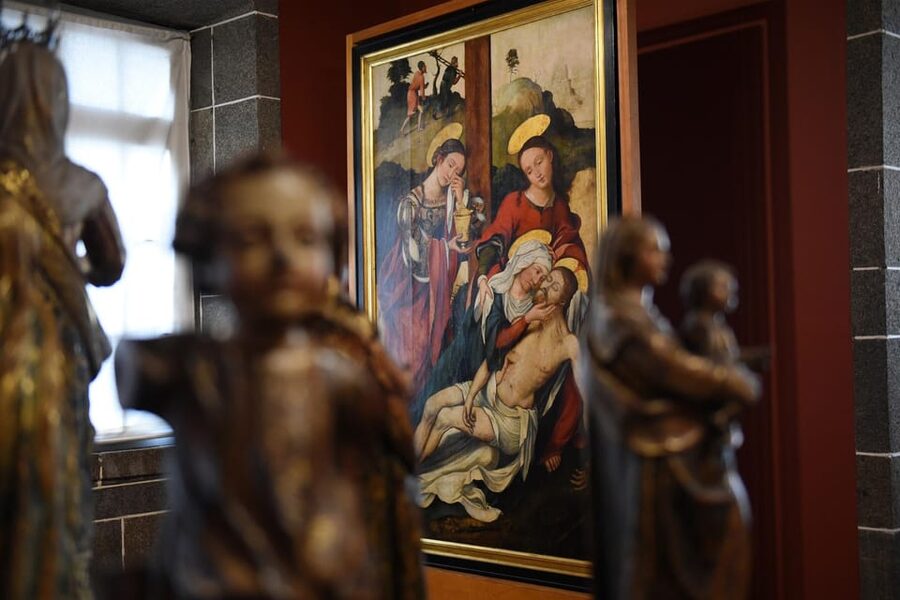
Art museums often get judged by their collection. This one adds another layer. The building’s architectural beauty is part of the appeal, and there’s also a terrace with a view that can change the feel of the visit.
That terrace note matters because it turns the ticket into a short break, not just a museum task. When you step outside and look out, you’re reminded you’re in Madeira, not inside a bubble of religious art history.
If your schedule is packed, give yourself a few extra minutes for that outdoor moment. The visit is designed around about 50 minutes, but you’ll probably spend longer if you stop for photos, pause to absorb the view, and take in the architecture.
Price and value: why about $11 can work well
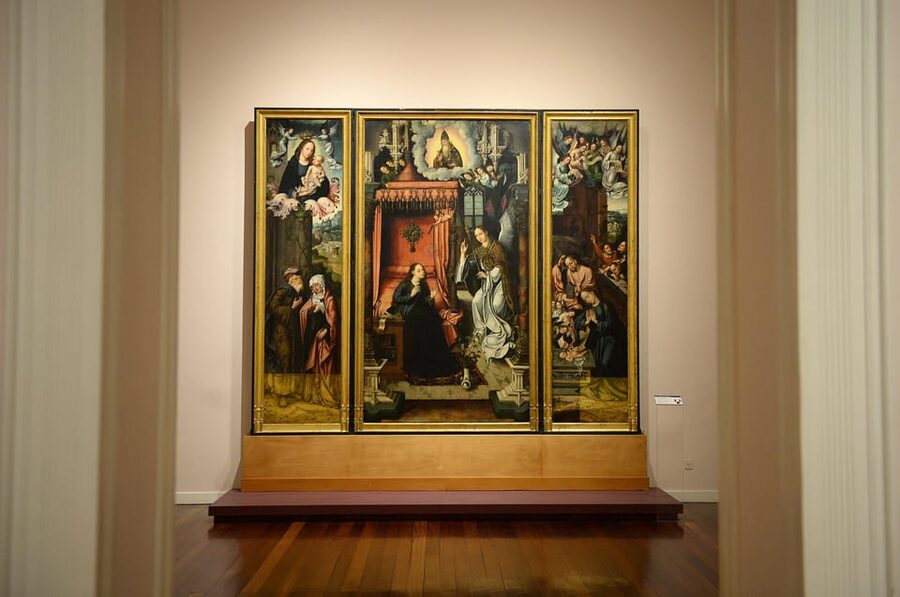
At about $11 per person, this ticket sits in the “reasonable, don’t overthink it” category, especially for a museum visit that includes a curated collection and an option for live guidance.
Here’s how I judge value for this kind of stop:
- You’re getting multiple types of objects (painting, sculpture, sacred silver, textiles).
- The visit is short enough to fit a busy day.
- There’s an option for a guided experience in Portuguese or English.
- The setting includes architectural interest and terrace views.
If you’re the type who likes to understand what you’re looking at, the guided option can feel like a better buy than you’d expect for the money. If you’re more independent and enjoy reading labels, the self-guided visit keeps costs low and still gives you a structured art journey.
One more value angle: residents of Madeira can get reduced prices that aren’t available through the booking platform. If you live on the island, ask locally about that rate. If you’re visiting, you’re still paying a fair price for a concentrated museum stop.
Practical timing tips so the museum fits your Madeira day
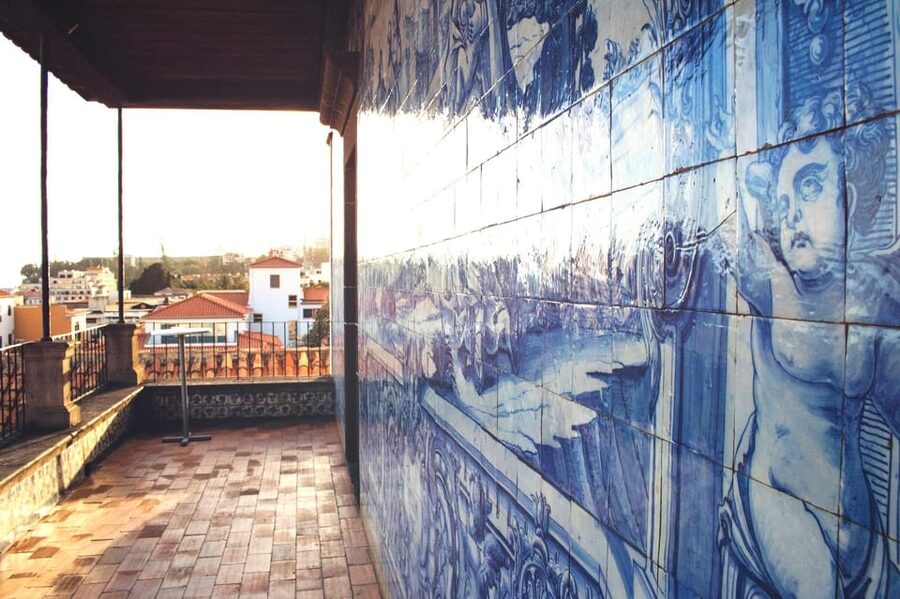
This activity runs about 50 minutes, so think of it as a “short culture break.” That’s useful because Funchal days can get full fast.
I’d plan it like this:
- Pick a time when you’re not rushing between major attractions.
- If you want the terrace moment, allow a bit more than the minimum visit time.
- If you’re pairing it with other indoor stops, keep your transitions tight so you don’t lose momentum.
Also, decide in advance whether you want Portuguese or English interpretation. The guided experience, when selected, supports both languages, which is a helpful detail for visitors who want clarity without guessing.
Who this museum ticket is best for
This is a good match if you:
- Like religious art and want to see it through Portuguese works
- Enjoy an exhibit that moves chronologically
- Want a short museum stop with a built-in structure
- Appreciate objects beyond paintings, like sacred metal and textiles
- Prefer small-group settings when you choose a guided option
It may be less ideal if you:
- Want a very long, slow-paced museum marathon
- Don’t like changing rooms quickly because the time is compact
- Are specifically hoping for something more contemporary, since the focus is on older periods and religious artifacts
Should you book the Sacred Art Museum of Funchal ticket?
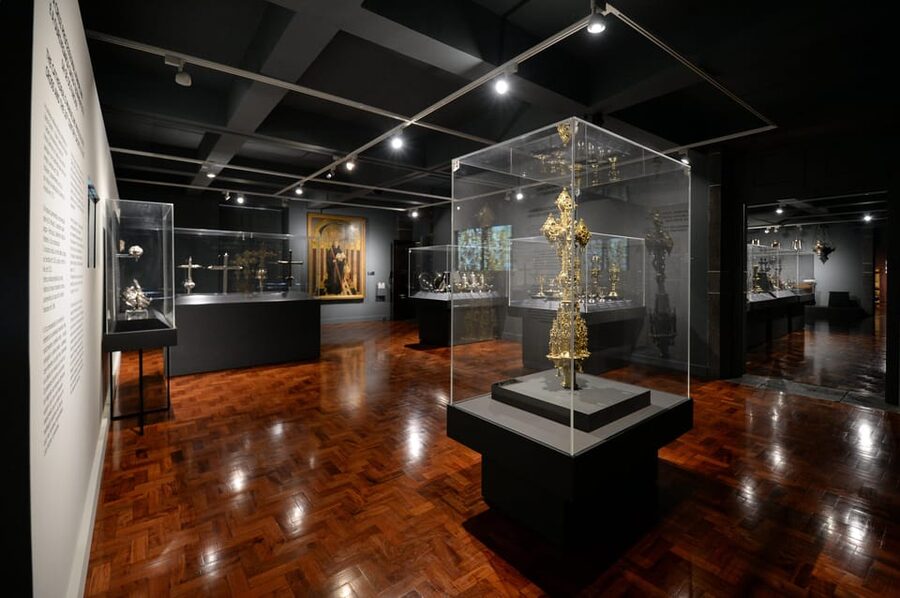
I’d book it if you want a meaningful cultural stop that doesn’t eat your whole day. The combination of religious painting and sculpture, plus items like sacred silver and textiles, gives the collection more depth than you might expect from a single museum ticket. Add the building atmosphere and the terrace view, and it becomes a pleasant pause in Funchal rather than just another indoor obligation.
Before you click confirm, do one thing: make sure you select the option that matches your expectations. If you want a live guide, choose the guided tour add-on. If you’re happy to explore solo, go self-guided and plan for quiet label reading. Either way, this is an easy win for visitors who want an authentic slice of Madeira’s past without turning the day into a logistics headache.
FAQ
FAQ
How long is the Sacred Art Museum of Funchal visit?
The experience is scheduled for about 50 minutes.
What is the price of the museum ticket?
The listed price is about $11 per person.
Is the museum visit self-guided or guided?
You can choose a free self-guided visit, or select a guided tour option.
What languages are available for the guided tour?
The live guide is available in Portuguese and English.
Does the price include entrance to the museum?
Yes, the ticket includes entrance to the Sacred Art Museum of Funchal.
What does the museum collection focus on?
The museum focuses on religious art and related objects, including painting, sculpture, sacred silver, and religious vestments and textiles, spanning historical periods tied to Madeira.
What time period does the Portuguese painting and sculpture cover?
The museum includes Portuguese religious painting and sculpture from the 15th to the 18th century.
Is there a terrace or outdoor viewing area?
A terrace with a view is mentioned as a highlight, and the building itself is noted for its architectural beauty.
Do Madeira residents have special pricing?
Residents of Madeira have access to reduced prices not available on the booking platform.
Is free cancellation offered?
Free cancellation is offered up to 24 hours in advance for a full refund.
Just added in Funchal
- Full Day Tour in Porto Moniz with the Locals★ 5.0 · 1 review
- Curral das Freiras e Monte★ 5.0 · 1 review
- Private Transfer Madeira Airport★ 5.0 · 1 review
- Enchanted Vineyards, Wine 4×4 Tour and Sea Cliff Cabo Girão★ 5.0 · 1 review
- Funchal: Tuk-Tuk City Tour with Drink Tasting★ 5.0 · 1 review
- Madeira in one day: Funchal & Eastern Highlights★ 5.0 · 1 review
- Birdwatching The Raptors in Madeira★ 5.0 · 1 review